App Redesign

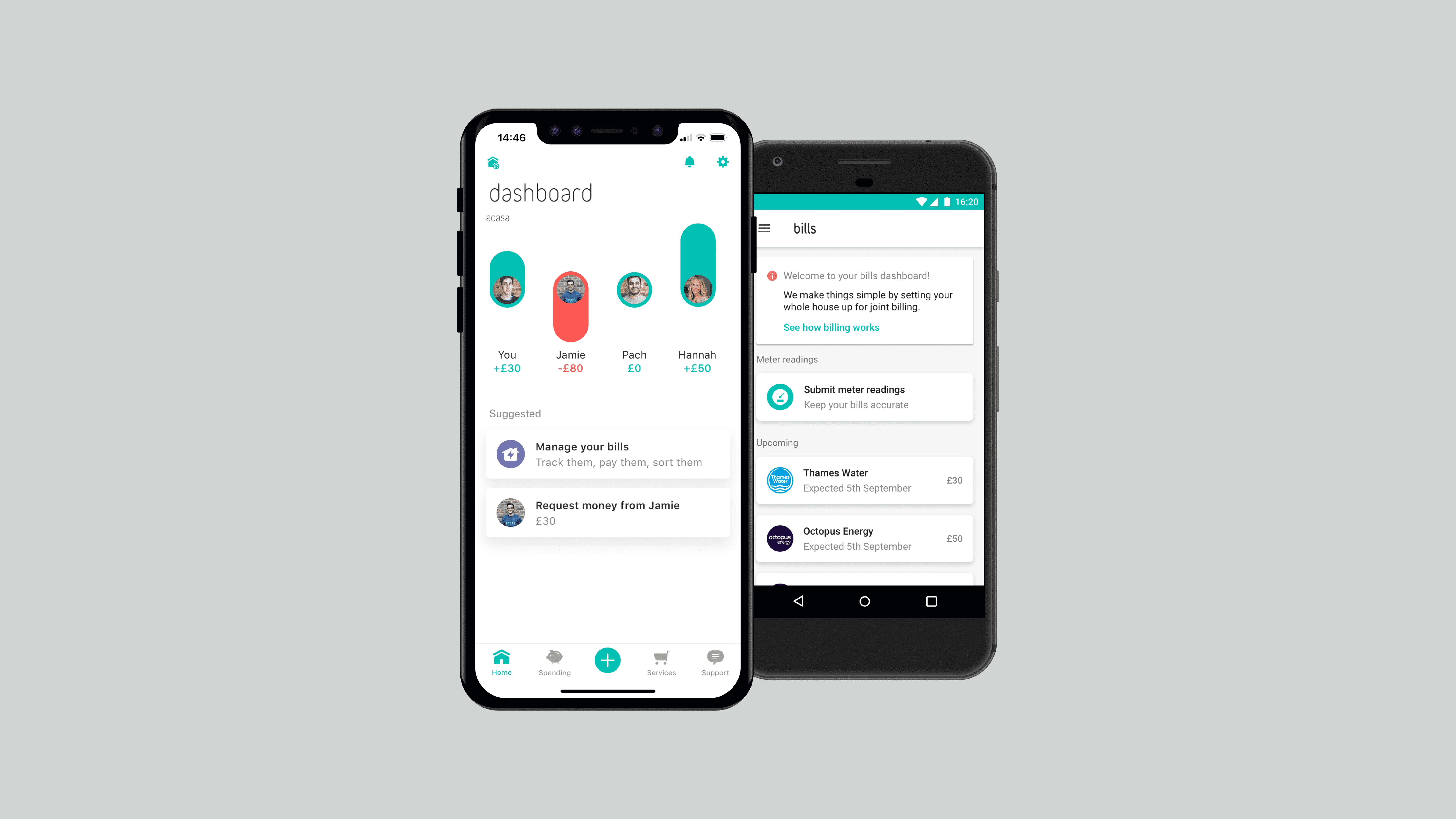
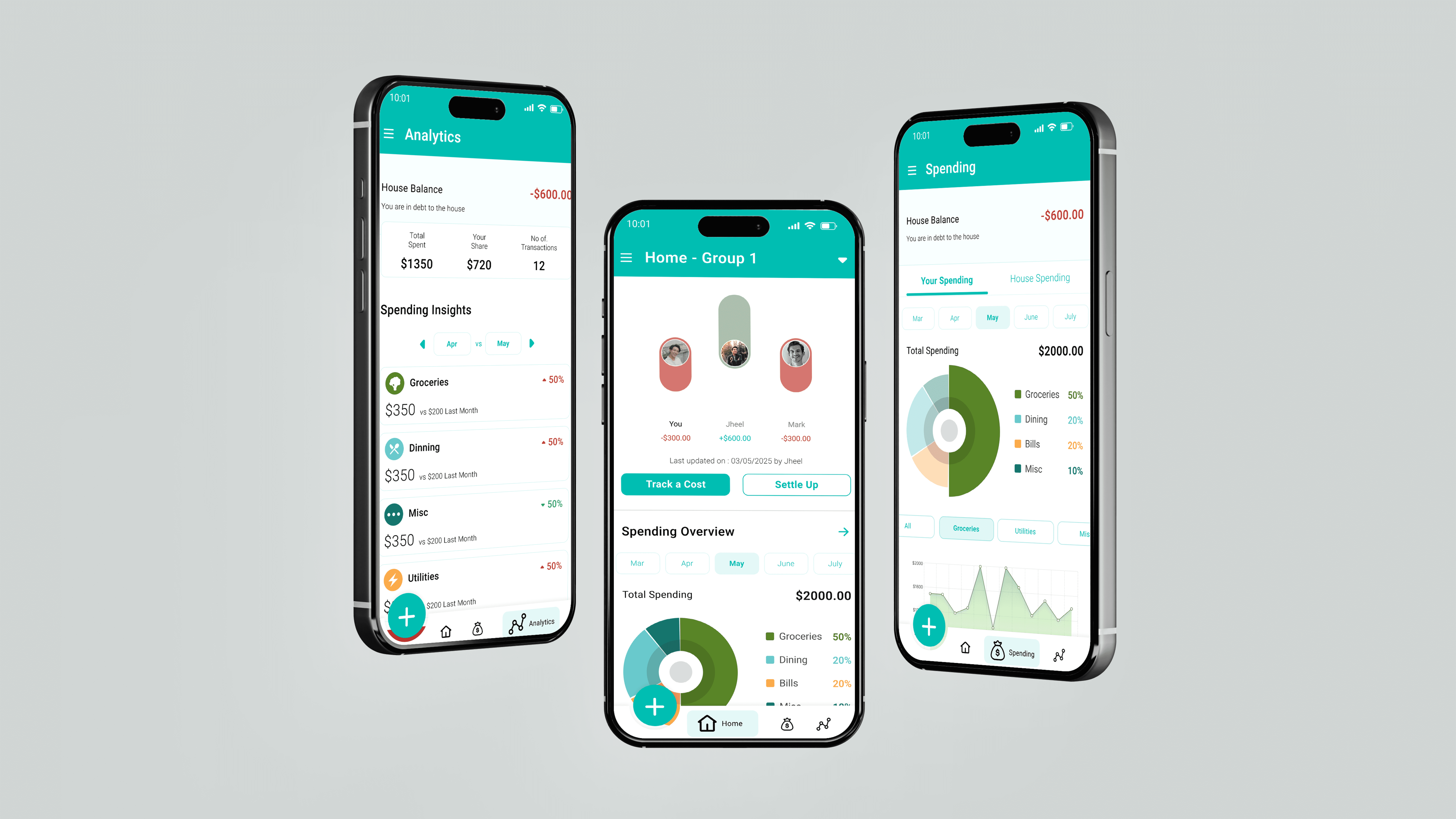
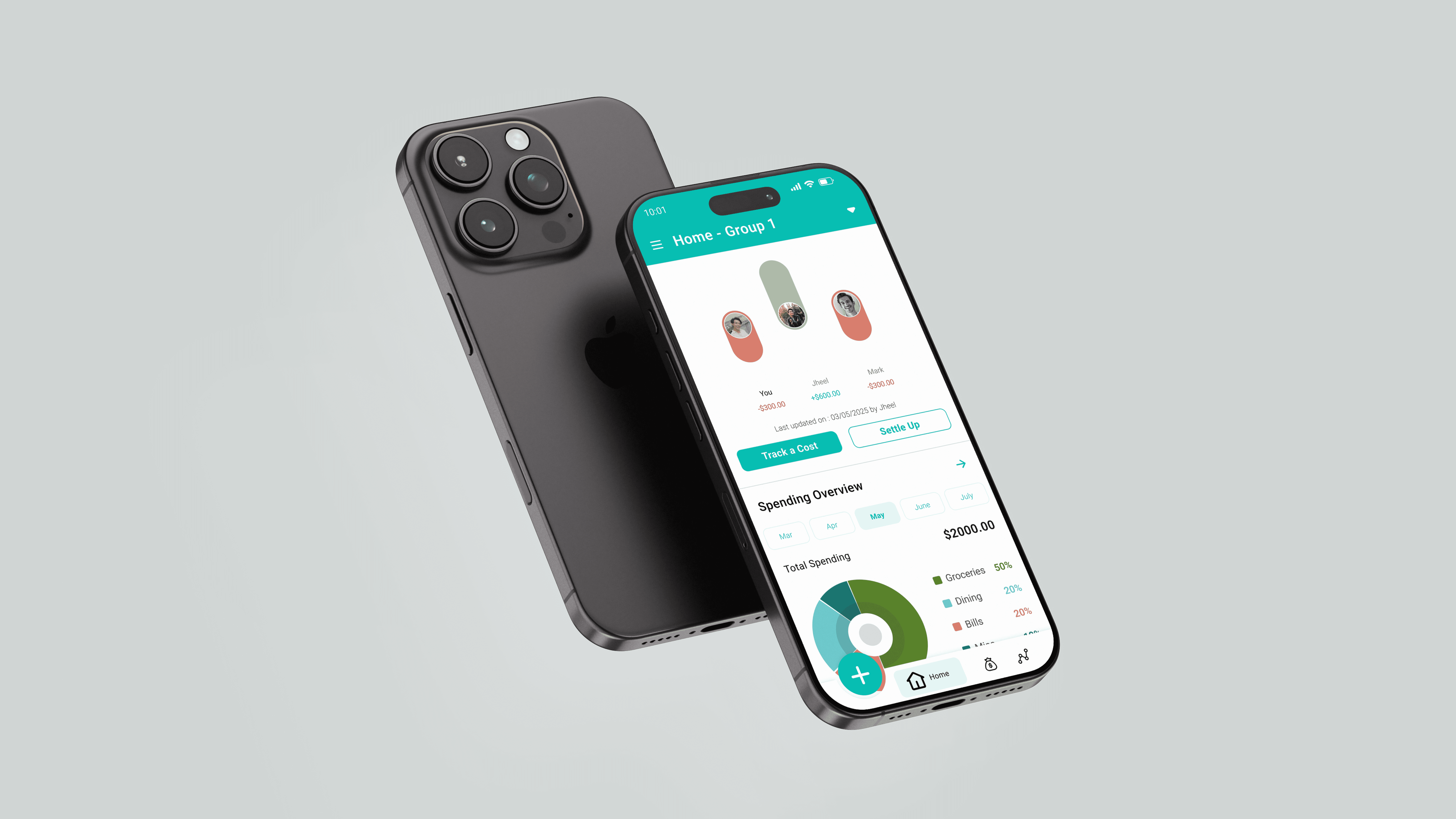
This project tackles the friction of shared living by redesigning Acasa into an intuitive, collaborative app that makes managing households effortless.
Title

App Redesign

App Redesign

Industry

Fin-Tech

Fin-Tech

Date

2025

2025

Overview:

The goal of this project was to redesign Acasa, a bill-sharing and shared living expense management app, to create a more cohesive and insight-driven experience.

The redesign focused on improving expense tracking, increasing transparency in shared finances, and enabling users to better understand their spending habits while managing household responsibilities efficiently.

Project Duration:

8 weeks

Role:

UI/UX Designer

  • Led end-to-end redesign (research → design → testing)

  • Improved user flows for expense tracking and bill splitting

  • Designed wireframes, prototypes, and final UI

Tools Used:

  • Figma (UI/UX Design & Prototyping)

  • Miro (User flows & mapping)

  • Pen & Paper (Ideation)

Process:

1. Research & Discovery:
  • Identified key issues in the existing experience:

  • Lack of clarity in tracking shared expenses

  • Limited visibility into individual vs group spending

  • No insights into spending behaviour or patterns

  • Fragmented experience across features

  • Defined opportunity:
    → “How might we simplify shared expense management while helping users make better financial decisions?”

2. Wireframing & Prototyping:
  • Redesigned core flows:

    • Expense logging and splitting

    • Household overview

    • Individual contribution tracking

  • Created wireframes focusing on:

    • Clear financial summaries

    • Simplified group interactions

    • Reduced friction in adding and settling expenses

  • Built interactive prototypes to test usability and navigation

3. Visual Design:
  • Introduced a clean, structured UI:

    • Clear hierarchy for financial data

    • Dashboard-style overview for quick insights

    • Consistent components and visual patterns

  • Key improvements:

    • Visual breakdown of spending (individual vs shared)

    • Improved readability of transactions and balances

    • Cohesive design system across all screens

4. Usability Testing:
  • Conducted prototype testing with 5–6 users

Key Observations:

  • Users preferred clear summaries over detailed transaction lists

  • Visual insights improved understanding of spending habits

  • Simplified flows reduced confusion in bill splitting

Iterations Made:

  • Enhanced dashboard clarity

  • Simplified expense input flow

  • Improved labelling and grouping of financial data

5. Implementation & Launch:
  • Delivered high-fidelity mockups and interaction flows

  • Defined a scalable design system for future features

  • Validated usability improvements through testing

Results:

(Prototype-based outcomes)

  • Improved task clarity in expense tracking and splitting

  • Increased user confidence in managing shared finances

  • Positive feedback on financial insights and dashboard usability

Key Takeaways:

  • Financial apps require strong clarity and trust through design

  • Visual summaries are more effective than raw data for decision-making

  • Simplifying group interactions reduces friction in shared environments

  • Cohesive design systems improve overall usability and scalability

Next Steps:

  • Add budgeting and saving insights

  • Introduce notifications and reminders for settlements

  • Enable deeper analytics on spending behaviour

  • Explore integrations with banking or payment platforms

Overview:

The goal of this project was to redesign Acasa, a bill-sharing and shared living expense management app, to create a more cohesive and insight-driven experience.

The redesign focused on improving expense tracking, increasing transparency in shared finances, and enabling users to better understand their spending habits while managing household responsibilities efficiently.

Project Duration:

8 weeks

Role:

UI/UX Designer

  • Led end-to-end redesign (research → design → testing)

  • Improved user flows for expense tracking and bill splitting

  • Designed wireframes, prototypes, and final UI

Tools Used:

  • Figma (UI/UX Design & Prototyping)

  • Miro (User flows & mapping)

  • Pen & Paper (Ideation)

Process:

1. Research & Discovery:
  • Identified key issues in the existing experience:

  • Lack of clarity in tracking shared expenses

  • Limited visibility into individual vs group spending

  • No insights into spending behaviour or patterns

  • Fragmented experience across features

  • Defined opportunity:
    → “How might we simplify shared expense management while helping users make better financial decisions?”

2. Wireframing & Prototyping:
  • Redesigned core flows:

    • Expense logging and splitting

    • Household overview

    • Individual contribution tracking

  • Created wireframes focusing on:

    • Clear financial summaries

    • Simplified group interactions

    • Reduced friction in adding and settling expenses

  • Built interactive prototypes to test usability and navigation

3. Visual Design:
  • Introduced a clean, structured UI:

    • Clear hierarchy for financial data

    • Dashboard-style overview for quick insights

    • Consistent components and visual patterns

  • Key improvements:

    • Visual breakdown of spending (individual vs shared)

    • Improved readability of transactions and balances

    • Cohesive design system across all screens

4. Usability Testing:
  • Conducted prototype testing with 5–6 users

Key Observations:

  • Users preferred clear summaries over detailed transaction lists

  • Visual insights improved understanding of spending habits

  • Simplified flows reduced confusion in bill splitting

Iterations Made:

  • Enhanced dashboard clarity

  • Simplified expense input flow

  • Improved labelling and grouping of financial data

5. Implementation & Launch:
  • Delivered high-fidelity mockups and interaction flows

  • Defined a scalable design system for future features

  • Validated usability improvements through testing

Results:

(Prototype-based outcomes)

  • Improved task clarity in expense tracking and splitting

  • Increased user confidence in managing shared finances

  • Positive feedback on financial insights and dashboard usability

Key Takeaways:

  • Financial apps require strong clarity and trust through design

  • Visual summaries are more effective than raw data for decision-making

  • Simplifying group interactions reduces friction in shared environments

  • Cohesive design systems improve overall usability and scalability

Next Steps:

  • Add budgeting and saving insights

  • Introduce notifications and reminders for settlements

  • Enable deeper analytics on spending behaviour

  • Explore integrations with banking or payment platforms

Challenge

The existing app lacked cohesion and clarity, making it difficult for users to track shared expenses and understand their financial position.

Users struggled with fragmented flows, limited visibility into spending patterns, and inefficient management of household finances.

Approach

Redesigned the experience with a focus on transparency, structure, and usability.

  • Introduced clear financial summaries and dashboard views

  • Simplified expense logging and bill-splitting flows

  • Improved visibility of individual vs shared spending

  • Established consistent design patterns across the app

  • Incorporated insights to help users understand spending behaviour
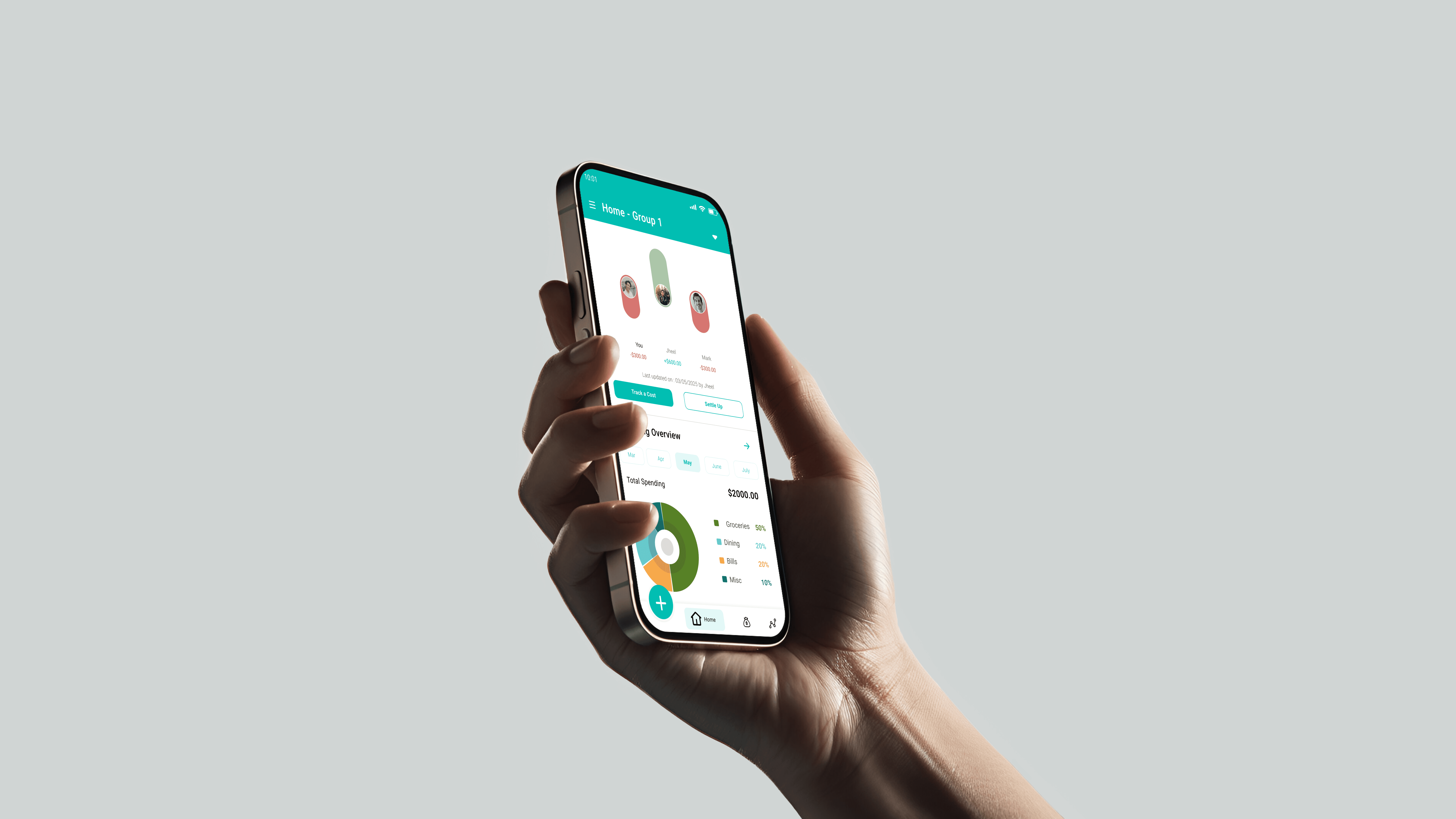
The redesigned Acasa provides a more cohesive and insight-driven financial experience.

By simplifying interactions and improving visibility, the app enables users to manage shared expenses efficiently and make more informed financial decisions.

The redesigned Acasa provides a more cohesive and insight-driven financial experience.

By simplifying interactions and improving visibility, the app enables users to manage shared expenses efficiently and make more informed financial decisions.

Projects

Explore more like this one
Selected projects that reflect my approach to design, development, and execution.